Introduction: The Rising Potential of Premium Food Franchises in India

India’s foodservice market is booming, making this an opportune time to consider launching a premium food franchise. According to recent industry reports, the organised Food & Beverage (F&B) franchise industry is expected to cross ₹5.99 trillion by 2025 (Boss Wallah).

With rising disposable incomes, increasing urbanization, shifting consumer preferences towards eating out or ordering in, and rapid growth of food delivery infrastructure, demand for high-quality, branded dining experiences is growing steadily across Indian cities.

However, with growth opportunities come equally important challenges. Launching a premium food franchise is not just about capital - it demands careful planning, regulatory compliance, location strategy, brand alignment, and operational excellence. In this post, we break down the key factors you must understand before investing in a premium food franchise.

Understanding the Premium Food Franchise Business Model

What Is a Premium Food Franchise?

A premium food franchise is a business model where an investor purchases the rights to operate a restaurant under an established brand. This typically includes access to the brand’s menu, operating procedures, supply chain, training systems, and marketing support, allowing the franchisee to operate within a proven and standardised framework..

Premium franchises often operate in the full-service, casual-dining, fine-dining, or higher-end QSR segments, where brand identity, ambience, service quality and customer experience play a significant role alongside food quality.

How Franchise Models Work in the F&B Sector

Franchise models in India generally fall under different ownership and operational frameworks, each suited to different levels of investor involvement:

  • FOFO (Franchise-Owned, Franchise-Operated): The franchisee invests capital and manages day-to-day operations, making this model suitable for hands-on entrepreneurs.
  • FOCO (Franchise-Owned, Company-Operated): The franchisee invests capital while the brand manages operations, often preferred by investors seeking lower operational involvement.
  • COCO (Company-Owned, Company-Operated): Typically retained by brands for flagship or strategic outlets and less commonly offered to new franchise investors.

As a franchisee, you typically pay a one-time franchise/brand fee, invest in setting up the outlet (interiors, kitchen, equipment), manage licenses and staffing, follow brand standards - and in return, you gain access to an established brand name, supply-chain support, standardised menus, training systems, and the benefit of existing brand recognition (Studs).

Understanding which segment your franchise falls into (cloud-kitchen, QSR, casual-dining, or premium/fine-dining) is crucial - because it determines your investment size, operations complexity, target audience, and overall risk profile. This decision also impacts the level of owner involvement and the time required to stabilise operations (Legal Dalal).

Evaluating the Market Demand and Food Trends in India

Current F&B Trends Shaping Consumer Choices

  • An increasing urban population with greater exposure to global cuisines and evolving eating-out culture.
  • Rising disposable incomes, leading to higher demand for premium and experiential dining experiences.
  • The growth of delivery platforms (apps like Zomato, Swiggy), enabling hybrid models (dine-in + delivery/cloud-kitchen) to capture both dine-in and home-order customers.
  • A clear shift in consumer behaviour towards convenience, hygiene, and branded food outlets with customers preferring trusted brand names, standardised menus and food safety compliance over unorganised street-food or local eateries.

These trends make premium franchises - built on brand trust, quality assurance, and consistent experience - a highly relevant and scalable business proposition in today’s Indian F&B landscape.

Identifying Market Gaps for Premium Dining

Before launching a premium food franchise, it is essential to research your target city or micro-market thoroughly:

  • Is there genuine demand for premium dining, or is the market largely dominated by low-cost eateries?
  • Which cuisines or concepts are underserved—such as fine-dining Indian, global fusion, specialty cuisines, or health-focused offerings?
  • Does the local demographic – middle/upper middle class, working professionals, youth, families – support premium pricing?
  • What is the competition - how many standalone fine-dining restaurants, cafes, or international chains are already there? Can your franchise clearly differentiate itself?

A clearly identified gap in quality-conscious, experience-led dining—supported by sufficient spending power—can be a strong indicator of long-term viability.

Investment Requirements and Cost Breakdown

Launching a premium food franchise involves multiple cost components - not just the franchise fee. Understanding these costs is critical to evaluating return on investment (ROI), financing requirements, and overall risk exposure.

Typical Cost Components

Based on recent industry data and operational estimates:

  • Franchise / Brand Fee: Paying the brand for the license to operate under its name and use its systems - often ₹5–50 L depending on brand reputation and scale.
  • Setup / Interiors / Décor: Designing the ambience to match brand standards - from furniture, décor, flooring, lighting, ventilation - may cost ₹15–60 L or more depending on size and luxury level.
  • Kitchen Equipment & Fixtures: Commercial-grade kitchen equipment, storage, refrigeration, ventilation, cooking equipment - ₹10–25 L (or more for larger or premium kitchens).
  • Licenses & Compliance Costs: Food safety, health, municipal, fire-safety, legal registrations, GST, etc.
  • Location & Rent / Deposit: High-street locations or malls will demand bigger deposits (3–6 months’ rent), especially in prime areas - a major overhead.
  • Staff Hiring & Training: Skilled chefs, service staff, management; training staff to match brand’s service standards and food quality.
  • Working Capital & Inventory: Ingredients, utilities, initial stock, recurring raw-material costs, overhead until break-even.
  • Marketing, Branding & Launch Costs: Launch event, initial promotions, local marketing, digital presence - especially important for premium brands.
  • Ongoing Royalty & Fees (if applicable): Some franchises charge monthly royalty or marketing fees as a percentage of revenue. (Kouzina Food Tech)

In addition to these core expenses, franchisees should plan for contingency capital to manage cost overruns, regulatory delays, or slower-than-expected ramp-up periods—common realities in premium dining ventures.

Typical Investment Range & ROI Expectations

Depending on the brand, format (cloud-kitchen, QSR, fine-dining) and outlet size - the investment to open a food franchise in India can range from around ₹5 lakh (for small kiosks/cloud-kitchens) to ₹3–5 crore or more for large/full-scale premium outlets.

Profitability depends on location, brand strength, operations, customer demand, and management capability. Many franchises report net margins in the range of 10–25%, though high-end, well-run outlets may see better returns (Boss Wallah).

Choosing the Right Premium Food Franchise Brand

Selecting the right brand is as important as planning the finances, as brand strength directly influences customer trust, operational support, and long-term scalability.

Brand Reputation and Market Positioning

  • A strong brand name gives instant credibility - customers are more likely to try a recognised brand than an unfamiliar local eatery.
  • It is important to understand the brand’s customer base: is it premium, mid-segment, youth-oriented, family-oriented – and ensure it aligns with your target location and local market segment.
  • Evaluate how many outlets the brand already operates in nearby cities/states (to avoid saturation) and whether they offer territorial exclusivity or have strict spacing norms.

Franchise Support, Training & Systems

  • Well structured franchises offer training for staff, standardised menu, supply-chain support (raw materials, kitchen equipment), standard operating procedures (SOPs), quality control systems – elements that are critical in premium food services.
  • Supply-chain reliability is especially important when brand source key raw materials (spices, imports, fresh produce) – as consistency ensures quality and customer loyalty.

Franchise Agreements & Success Stories

  • Go through the franchise agreement carefully - understand fees (initial + recurring), royalty clauses, brand compliance obligations, territorial restrictions, support commitments, and renewal terms.
  • Talk to existing franchisees (if possible) to understand operational challenges, hidden costs, actual profitability, and customer reception. This due diligence is critical before committing to any premium food franchise.
  • Ensure clarity on rights to use brand name, recipes, IP, and whether there are obligations for mandatory upgrades, audits, supply purchases from brand-approved vendors, etc.

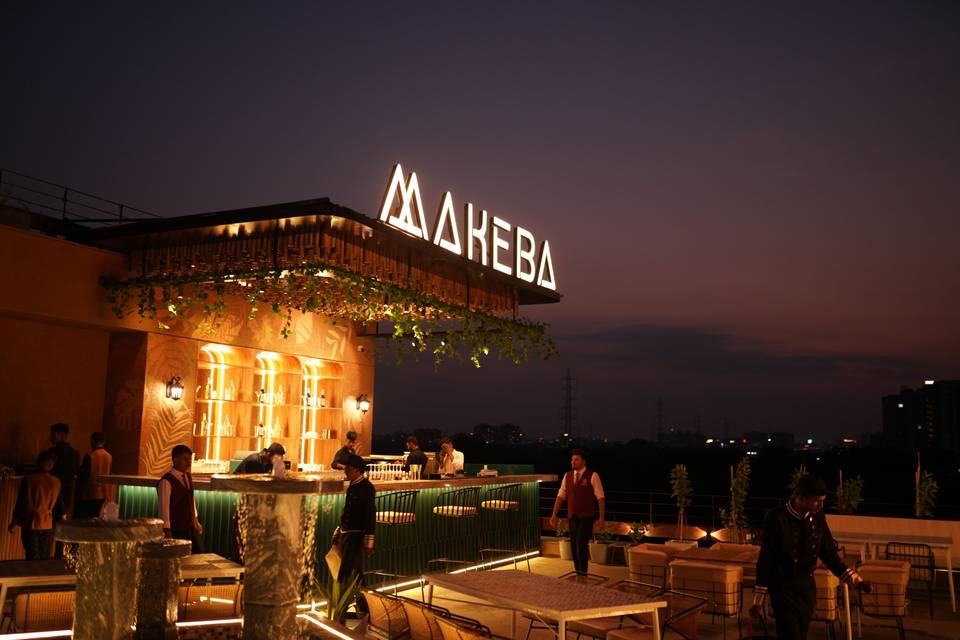
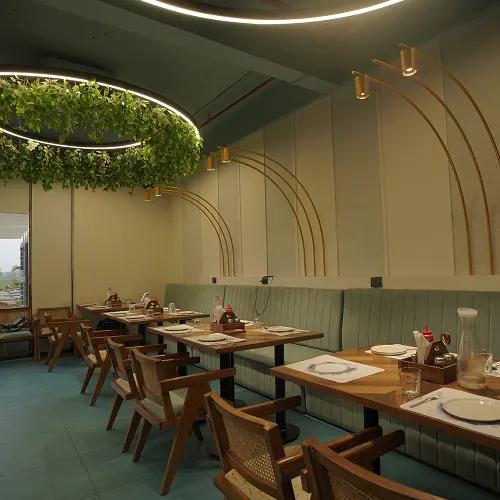
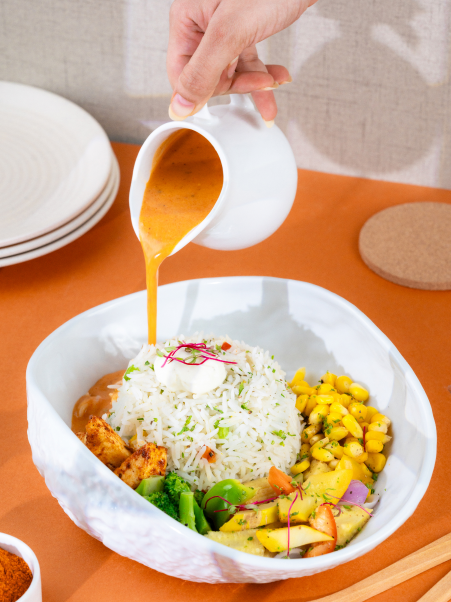
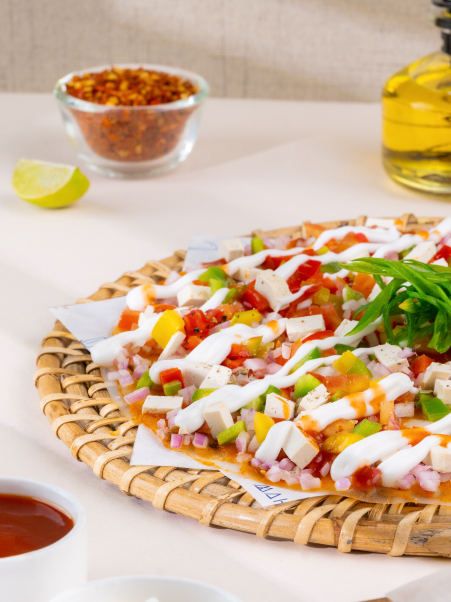
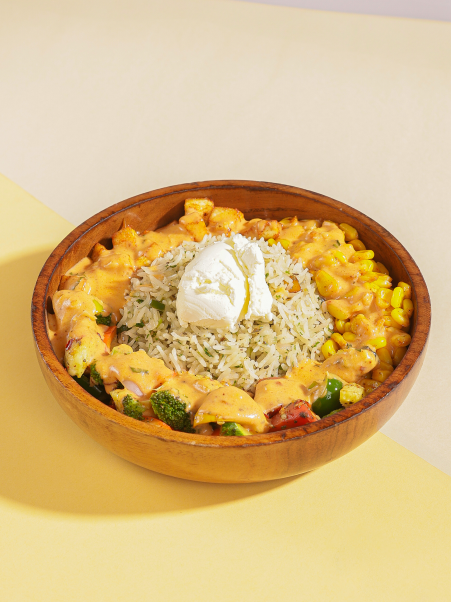
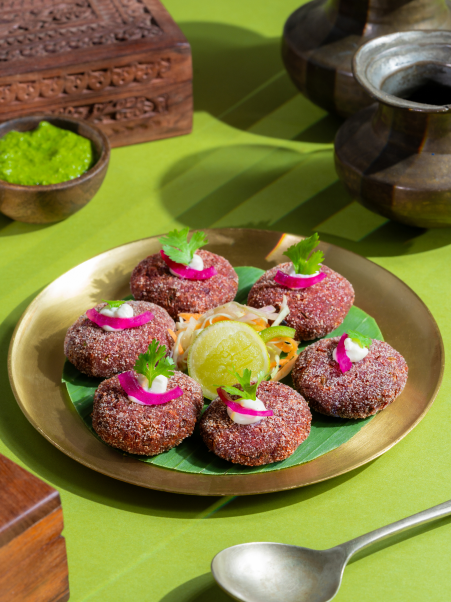
One example of a premium food franchise in India would be “The House of Makeba”, which combines culinary innovation with experiential dining. Beyond food, factors such as ambience, service warmth, and overall guest experience play a key role in building a scalable and sustainable franchise model. With brand selection in mind, the next step is to evaluate location and setup strategy.

Location Selection and Restaurant Setup Strategy

Choosing the Right Location

Location can make or break a premium food franchise, as it directly influences footfall quality, brand perception, and revenue potential.

  • Opt for high-footfall areas - near malls, business districts, offices, high-end residential zones. This helps attract the right customer base.
  • Evaluate factors such as visibility (street-facing versus inside a complex), parking availability, ease of entry, and overall accessibility for your target audience.
  • Evaluate local demographics - are there enough middle-to-upper income customers willing to pay for premium dining and how intense is the competition nearby?

A poorly chosen location—even with a strong brand—can result in weak footfall, slower revenue ramp-up, and delayed returns.

Studying established premium brands such as The House of Makeba can provide practical insight into the types of locations and catchment areas that support successful premium food franchises.

Designing an Experience-Driven Dining Space

In premium dining, ambience matters. Interior design, lighting, seating comfort, décor, service flow - all shape customer experience. Investing in high-quality interiors and customer comfort helps differentiate a premium outlet from local eateries and supports the justification of higher pricing.

Franchisees must also account for backend infrastructure such as kitchen, storage, hygiene - especially if you plan to maintain high service and quality standards.

Legal and Regulatory Requirements in India

This is a critical area - non-compliance can lead to heavy penalties, operational disruptions or even closure.

Mandatory Licenses & Permits

Before opening, you must comply with several legal and regulatory requirements:

Compliance is non-negotiable and the required approvals typically include:

  • FSSAI License
  • Municipal / Trade License
  • Shop & Establishment Registration
  • GST Registration
  • Fire Safety NOC
  • Additional permits (liquor, music, etc., if applicable)

Regulatory Compliance & Challenges

Regulatory delays are common, making early legal planning essential (Restaurant India), (Legal Dalal)

Menu Engineering and Food Quality Control

For a premium food franchise, consistent food quality is a cornerstone of success and credibility.

  • Standardised recipes & ingredients: As a franchisee, you will likely follow brand-mandated recipes - but you must ensure consistency in taste, portion size, presentation, hygiene and overall quality.
  • Supply chain management: A reliable supply chain (for fresh produce, imported ingredients, perishables) is crucial. As per successful franchise models, centralized procurement or approved vendor list should be maintained.
  • Food safety & hygiene practices are especially important in premium dining, as customers expect high standards. It also helps in passing health/environment inspections.
  • Staff training & service standards: Skilled kitchen staff and trained service personnel improve dining experience, minimize wastage, and maintain brand reputation.

Poor quality control or inconsistent service can quickly damage brand reputation, reduce repeat business, and negatively impact profitability.

Marketing and Brand Positioning of a Premium Food Franchise

Even with a strong brand, local marketing and clear brand positioning is critical:

  • Local marketing and launch campaigns play a crucial role in building initial awareness. Grand launch events, targeted local advertising, and social media marketing help attract the first wave of customers and establish early brand recall.
  • Digital presence: Maintain active presence on social media, listing on food apps, good photography & reviews. For premium dining, visual appeal and brand presentation significantly influence decisions.
  • Leveraging brand identity: Use the established brand’s identity - costume, décor, menu, marketing assets rather than attempting local reinvention.
  • Customer experience & loyalty programs: Encourage repeat visits via loyalty programs, good service, ambience, value for money. This is especially important in the premium segment to get long-term customers.

Operational Management and Staffing Requirements

Running a premium food franchise involves far more than cooking and serving—it requires disciplined operations, skilled manpower, and consistent execution.

  • Hiring skilled kitchen & service staff: Chef(s), sous-chef, kitchen helpers, managers, servers - necessary for quality and smooth operations.
  • Training programs & SOP adherence: Staff must be trained in brand’s cooking standards, hygiene protocol, customer service norms, and cleanliness benchmarks.
  • Inventory management, supply chain & cost control: Regular supply of fresh ingredients, waste control, cost management is vital to maintain profit margins.
  • Handling peak hours & quality control: Busy evenings/weekends can stress kitchen and service - proper SOPs, backup staff, scheduling, quality checks help maintain standards. This is often a challenge in buffet/dine-in or large outlets.
  • Customer feedback, review management & brand consistency - maintaining brand image across time requires continuous monitoring of service quality, feedback, upgrades, maintenance.

Common Challenges in Running a Premium Food Franchise in India

While the opportunity is real - there are inherent risks and challenges, which you must assess carefully:

  • High initial investment and working capital requirement - Setup costs, interiors, licensing, staff training, inventory, etc. together can stretch to multi-lakhs or crores.
  • Regulatory delays & compliance burden - obtaining all required licenses (FSSAI, trade license, fire NOC, GST registration) can take time. Any oversight may delay opening or cause shutdowns.
  • Maintaining consistency across operations - recipe standardization, quality control, staff training, supply chain - all critical but challenging.
  • Competition & market saturation, especially in big cities - many brands and eateries competing for the same customers. Standing out needs continuous marketing, service quality and differentiation.
  • Variable customer demand & price sensitivity - premium dining is more vulnerable to economic downturns or shifts in consumer behavior.
  • Operational complexities and management overhead - for fine-dining or high-end eateries, managing staff, inventories, hygiene, service, peak hours can be resource-intensive. (Restaurant India)

Conclusion: Is Starting a Premium Food Franchise the Right Choice for You?

Launching a premium food franchise in India can be a rewarding business - but it requires meticulous planning, smart investment, compliance, and operational excellence.

Before you take the leap, make sure to:

  • Analyze your target market, location demographics, competition and demand.
  • Choose a reliable brand with good support, supply chain, and strong reputation.
  • Prepare a realistic financial plan, accounting for all costs (setup, licensing, working capital, marketing, staff).
  • Ensure full legal compliance - licences, registrations, local regulations, permits.
  • Plan for quality control, staff training, supply chain & menu consistency.
  • Invest in marketing, branding, and customer experience to build loyalty and differentiate.

If you check all these boxes and you have the resources, launching a premium food franchise could be a strong long-term investment. You can also explore Franchise Opportunities with The House of Makeba if you want to pair up with an already existing franchise.

Frequently Asked Questions (FAQs)

Question -1

What is the minimum investment to start a food franchise in India?

Depending on brand and format, small kiosks / cloud-kitchens start around ₹5–10 lakh; medium QSRs or casual dining 15–30 lakh; full-service / premium dining outlets may require ₹50 lakh to several crores.

Question -2

Yes - every food business in India must obtain FSSAI registration/license (Basic, State or Central depending on size/turnover).

Question -3

Yes. Cloud-kitchen / delivery-only models are becoming popular - with lower capital investment, reduced overheads, and faster ROI.

Question -4

Profit margins vary by brand, location, management. Industry data suggests 10–25% net margins for many franchises.