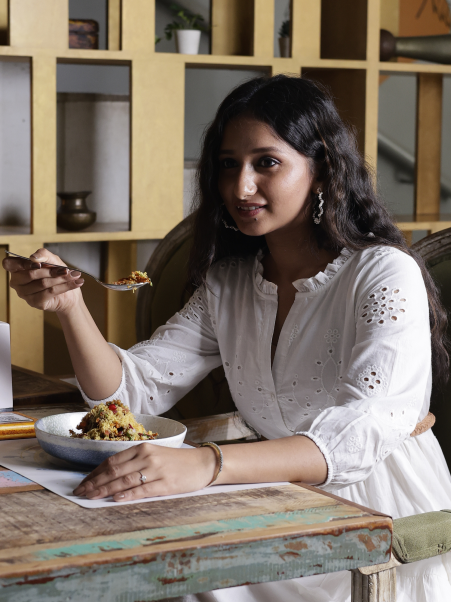
Fusion Cuisine Connects Flavours Across Cultures

Fusion cooking is often misunderstood as just throwing ingredients from different countries onto one plate. In reality, thoughtful fusion is closer to a conversation between cuisines. A chef looks at how acidity, heat, sweetness, and umami behave in two different food cultures and finds a shared logic between them, then builds a dish where every element earns its place.

Lime from one cuisine might do the same job that tamarind does in another. Chilli heat from Mexico can sit comfortably beside the warmth of Indian garam masala if the proportions are right. When this balance is done well, the final dish feels inevitable rather than random, a principle echoed by chefs who describe fusion cooking as a structured search for harmony rather than novelty for its own sake.

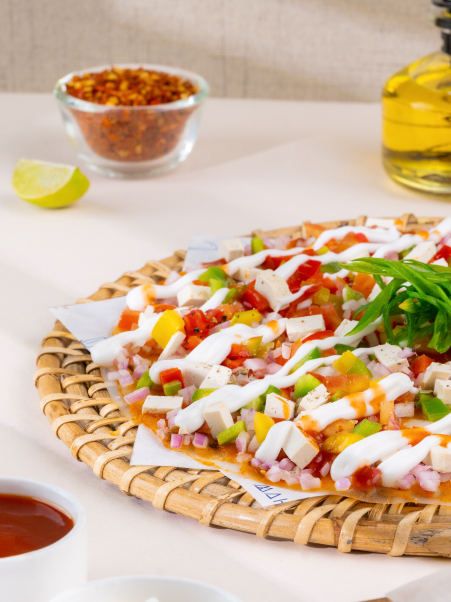
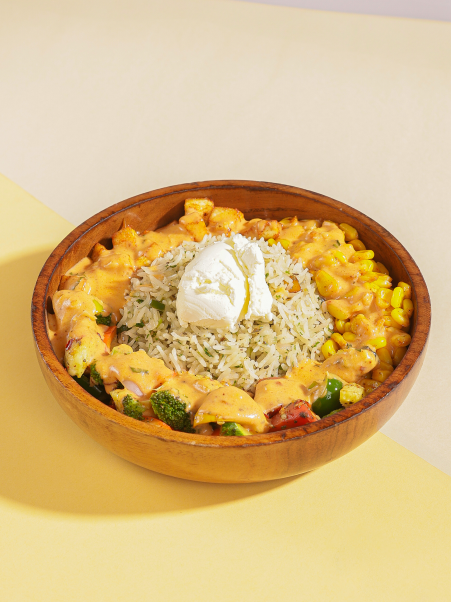
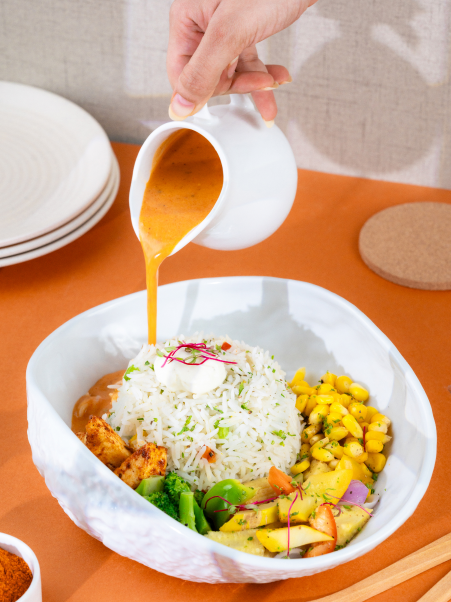
This is really what makes fusion food different from simply serving multiple cuisines under one roof. A restaurant with a Chinese corner and an Italian corner on the same menu is multi-cuisine. A dish that genuinely merges technique and flavour logic from two traditions, like a paneer taco or a khichdi given an Asian style rice bowl treatment, is fusion. The distinction matters because it shapes how a kitchen actually approaches its recipes.
A Short History of How We Got Here

Fusion food is not a recent invention, even though the word feels trendy. This kind of blending has existed for as long as people have travelled, traded, and migrated, carrying recipes with them and adapting those recipes to whatever ingredients were locally available. Trade routes connecting Asia, the Middle East, and the Mediterranean shaped spice use for centuries before anyone called it fusion.

The more recognisable modern movement gained momentum in the late twentieth century, when easier global travel and a growing openness to experimentation pushed chefs to combine techniques more deliberately. Early attempts sometimes prioritised shock value over actual flavour, pairing ingredients simply because they had never been paired before. That phase taught the industry an important lesson: fusion only works long term when taste, and not novelty, leads the process.

Global Vegetarian Dining Comes Into Its Own

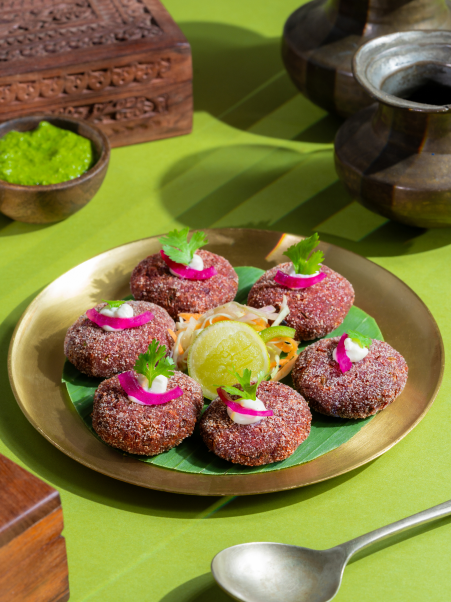
Vegetarian cooking has traditionally been associated with a narrower set of flavours in many parts of the world, often built around grains, legumes, and a handful of familiar spices. Global vegetarian dining challenges that assumption directly. Plant-based ingredients are remarkably good vehicles for fusion because vegetables, paneer, tofu, and legumes readily absorb marinades, sauces, and techniques from very different culinary traditions without losing their own character.

A vegetable char grilled in the style of Mexican street food carries smoke and freshness at once. A cottage cheese preparation cooked slowly in an Italian-style tomato base takes on richness while staying entirely meat-free. This flexibility is a big reason vegetarian fusion cuisine has grown so quickly, and why diners now see a purely vegetarian menu as a place for genuine culinary adventure.

How The House of Makeba Approaches Fusion?

The House of Makeba has built its entire identity around this idea. What began as a single rooftop destination in Ahmedabad in 2018 has grown into seven spaces across Gujarat, with more outlets currently being planned, each one committed to showing that vegetarian food can be both comforting and cosmopolitan.

The kitchen draws on Middle Eastern, Italian, Mexican, and Indian techniques, then finds the shared flavour logic between them the way any thoughtful fusion kitchen should. A cottage cheese cannelloni finished in makhani gravy borrows Italian technique and Indian spice memory in equal measure. A tandoori momo brings Tibetan street food together with a very Indian cooking method. Our own reflections on this approach are explored further in Vegetarian Food Meets Global Techniques, where we talk about the balance chefs must strike between adventurous younger diners and family guests who prefer more familiar flavours on the same table.

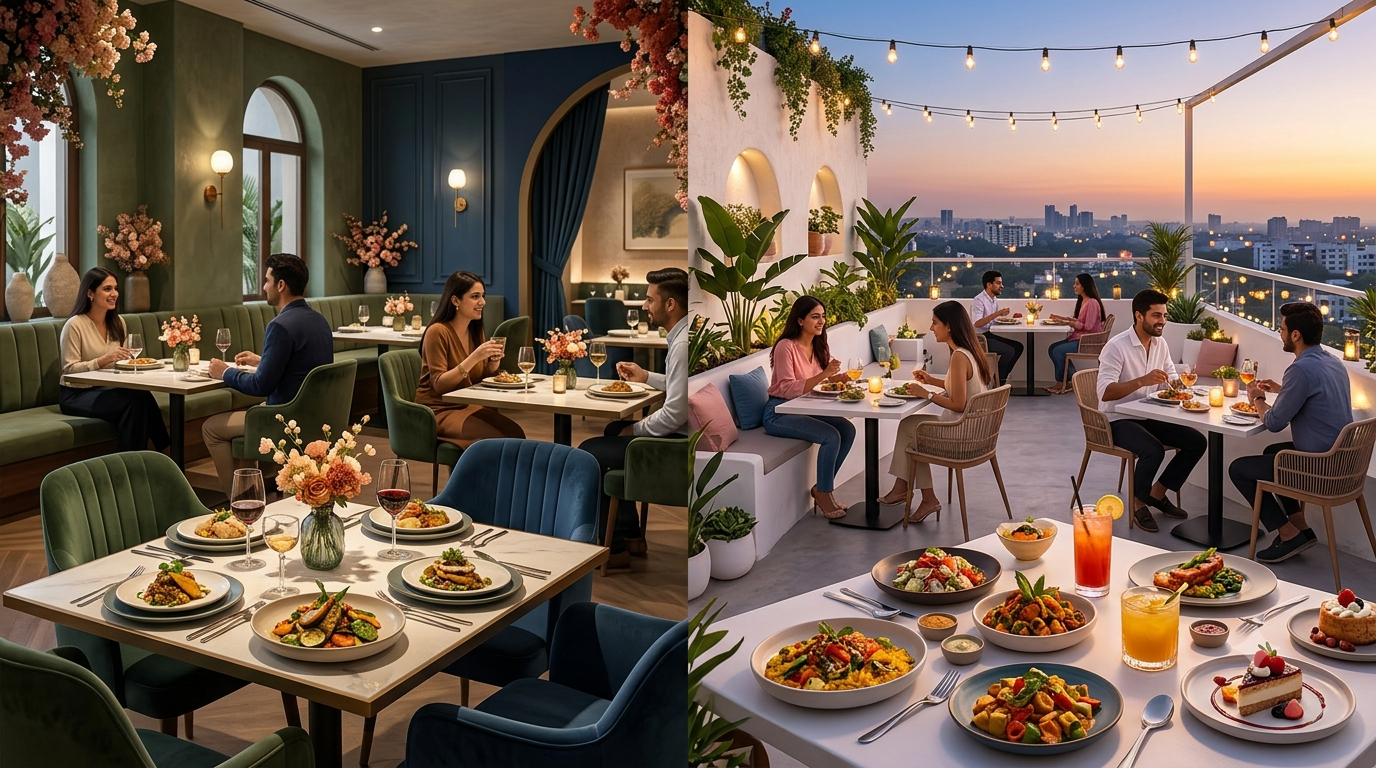
This is also why the ambience matters as much as the plate. Global flavour combinations are easier to enjoy in a setting that feels equally worldly, which is part of the reasoning behind the earthy, Mediterranean-inspired interiors, the fairy-lit rooftops, and the live music found in The House of Makeba in Ahmedabad, Gandhinagar, and Vadodara locations. If you want to see how ambience and flavour work together at Makeba, our piece on premium vegetarian dining experiences in Ahmedabad goes deeper into that idea.

Why This Matters for Everyday Diners

You do not need to be a food critic to appreciate good fusion cooking. The easiest way to spot it on a menu is to ask whether a dish feels thoughtfully created. Does the spice level match the richness of the sauce? Does the texture contrast add something, like a crisp element against something creamy? Good vegetarian fusion cuisine answers yes to both, and it also tends to reward groups with different palates at the same table, since one dish can lean familiar while another leans experimental.

Fusion vegetarian food is not about mixing for the sake of mixing. It is a deliberate, often centuries-old practice of finding common ground between culinary traditions, refined by decades of trial and error into something far more intentional than its 1990s reputation suggests.

Understanding what makes fusion food different, from balance of flavour to respect for technique, helps explain why global vegetarian dining has become such a meaningful part of how India eats out today.

At The House of Makeba, that philosophy shows up on every plate, whether it is a naan bomb, a rice bowl, or a cheesecake with a global twist. If this has made you curious, the best way to understand fusion is still to taste it, so book a table at your nearest The House of Makeba location and see where the flavours take you.

Book Your Table At The House of Makeba

Make your every evening memorable visit The House of Makeba now.